For all the focus on Scope 3 emissions, the heavy lifting of decarbonization still begins at home. Scope 1 & 2 emissions, accounting for around a tenth of our footprint, serve as a real proving ground for credibility, resilience, and operational discipline.

Our pathway to net zero involves reducing our energy demand by modernizing aging assets, implementing more efficient technologies, and turning to renewable energy for electricity and heat. At several sites we are doing both, turning to renewable energy while seeking efficiency gains to reduce costs. Two mature technologies (heat pumps that generate hot water, and mechanical vapor recompressors) are being used wherever suitable, and we are also looking at high-temperature, steam-generating pumps So far, these have not reached the necessary maturity or conditions, but they may yet be a key solution for our longer-term perspective.
Our Minhang facility (Shanghai, China) set a great example of what is possible, installing a pair of heat pumps in 2025 and slashing emissions almost in half while cutting costs and earning local goodwill. Such projects show that decarbonization succeeds not by heroic technological leaps but by cumulative steps.
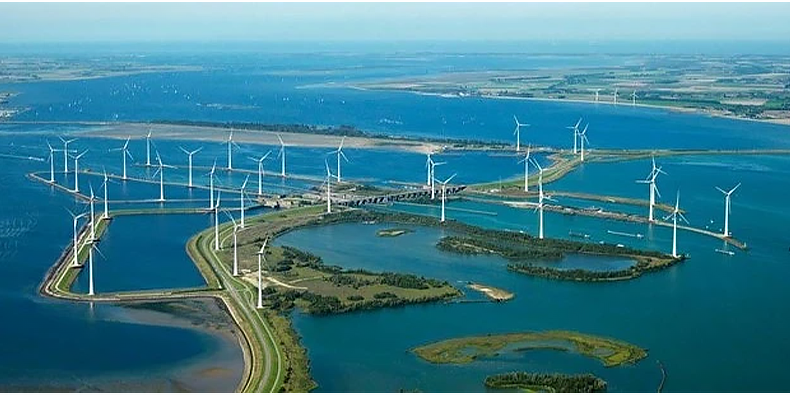
In 2025, we hit our 100% renewable electricity target ahead of schedule
Guided by the RE100 criteria, we achieved this by emphasizing credible renewable electricity across the globe. By 2024, we had achieved 95% purchased renewable electricity globally, and the main challenge in 2025 was a final push to 100% in China. Further increases in renewable energy will focus on heat, being an even more challenging step, requiring site-specific approaches and eventually significant infrastructure changes.